

The Heart Behind the Classroom: Celebrating the School Teacher During Teacher Appreciation Week

In early childhood education, learning is never created by one person alone. Behind every thoughtful invitation to play, every comforting hug, every art provocation, and every moment of discovery stands a team of educators working together to support children’s growth.
During Teacher Appreciation Week, we want to honor the incredible role of the “second teacher” — the co-researcher, co-artist, co-regulator, co-storyteller, and collaborative partner who helps bring learning to life every single day.
In our infant, toddler, preschool, and TK classrooms, teaching is a shared journey.
In the Infant Classroom
The second teacher is often the gentle observer who notices the small but meaningful milestones:
the first intentional grasp,
the curiosity in a baby’s gaze,
the comfort found in a familiar voice.
While one teacher nurtures and cares, the other documents learning, prepares sensory experiences, sings softly nearby, or supports emotional regulation through responsive interactions. Together, they create an environment where infants feel safe, loved, and deeply known.
In the Toddler Classroom
Toddlers are researchers by nature. They test theories, investigate movement, and explore independence with determination and joy.
The second teacher becomes:
a co-explorer during messy play,
a language model during social conflicts,
a calm presence during transitions,
and often the one helping extend children’s ideas through thoughtful questions and materials.
When one teacher facilitates a small group experience, the other may be observing play patterns, scaffolding social-emotional skills, or helping children revisit their discoveries through art, storytelling, or sensory exploration.
In the Preschool Classroom
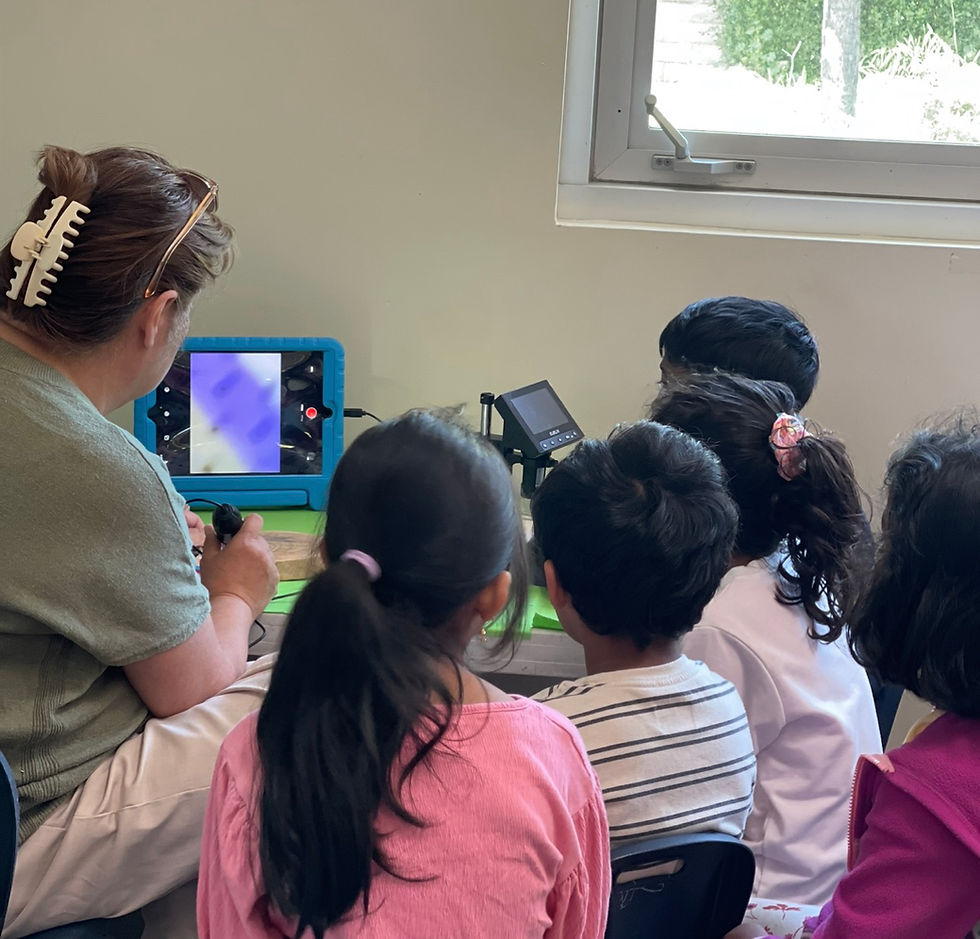
In preschool, collaboration between teachers becomes even more visible. One teacher may guide a project investigation while the second teacher gathers documentation, supports individual learning styles, and helps deepen inquiry.
The co-teacher is not “helping” — they are actively researching alongside children:
wondering with them,
creating with them,
listening to their theories,
and helping transform ideas into meaningful curriculum.
Whether mixing paint beside a child, building structures together, or helping navigate friendship challenges, the second teacher helps create the rhythm and balance of the classroom community.
In the TK Classroom
In Transitional Kindergarten, the second teacher plays a vital role in bridging academic learning with emotional support and creativity.
They may:
facilitate differentiated learning,
support literacy and math explorations,
encourage problem-solving,
and provide individualized guidance that helps children build confidence.
Most importantly, they help ensure learning remains joyful, hands-on, and developmentally appropriate.
More Than a Teacher
The second teacher is often:
the extra set of comforting arms,
the observer who catches meaningful moments,
the creative mind behind provocations,
the calm voice during difficult days,
and the collaborative spirit that strengthens the classroom environment.
Children benefit most when educators work in relationship with one another — modeling teamwork, empathy, communication, and mutual respect.
This Teacher Appreciation Week, we celebrate every educator who steps into the classroom not only as a teacher, but as a co-learner, co-researcher, and compassionate guide.
Thank you for the love, creativity, patience, and heart you pour into children every day. Your work matters deeply, and the impact you make lasts far beyond the classroom walls.
教室背后的温暖力量:教师感恩周致敬“第二位老师”
在幼儿教育中,学习从来不是由一个人独自完成的。
在每一个精心设计的游戏邀请、每一次温暖的拥抱、每一场艺术探索,以及每一个孩子发现世界的瞬间背后,都有一支教育团队共同陪伴孩子成长。
在教师感恩周期间,我们想特别致敬那位“第二位老师”——
她们是共同研究者(co-researcher)、共同艺术家(co-artist)、情绪支持者、故事讲述者,也是孩子学习旅程中的合作伙伴。
在我们的婴儿班、幼儿班、学前班以及TK课堂中,教育始终是一段共同完成的旅程。
婴儿班(Infant Classroom)
在婴儿班里,第二位老师往往是那位细心观察孩子微小成长的人。
她们会留意:
宝宝第一次有意识地抓握,
眼神中的好奇,
以及从熟悉声音中获得的安全感。
当一位老师负责照顾与回应孩子需求时,另一位老师可能正在记录学习过程、准备感官活动、轻声歌唱,或通过温柔互动帮助孩子建立情绪安全感。
她们共同营造一个让婴儿感到被爱、被理解、被看见的环境。
幼儿班(Toddler Classroom)
幼儿天生就是“小研究员”。
他们不断尝试、探索动作、发展独立性,并带着热情认识世界。
第二位老师可能是:
感官游戏中的共同探索者,
社交冲突中的语言引导者,
转换环节中的稳定陪伴者,
或通过提问与材料延伸孩子想法的人。
当一位老师带领小组活动时,另一位老师也许正在观察孩子的游戏模式、支持社交情绪发展,或帮助孩子通过艺术、故事与感官探索重新回顾他们的发现。
学前班(Preschool Classroom)
在学前班中,教师之间的合作更加明显。
一位老师可能正在带领项目探究,而另一位老师则负责记录学习过程、支持不同学习方式,并帮助深化孩子的探索。
第二位老师并不是“帮忙的人”,而是真正与孩子一起研究、一起学习的人。
她们:
与孩子一起思考,
一起创作,
倾听孩子的理论与想法,
并帮助孩子把创意发展成有意义的课程内容。
无论是陪孩子调色作画、共同搭建结构,还是协助解决同伴关系问题,第二位老师都在帮助建立教室的节奏与平衡。
TK课堂(Transitional Kindergarten)
在TK课堂中,第二位老师在学术学习与情感支持之间扮演着重要桥梁。
她们可能会:
提供差异化学习支持,
协助语言与数学探索,
鼓励孩子解决问题,
并给予个别指导,帮助孩子建立自信。
更重要的是,她们帮助学习保持快乐、动手操作且符合儿童发展需求。
她们不仅仅是老师
第二位老师常常是:
多出来的一双温暖怀抱,
记录珍贵瞬间的观察者,
创意活动背后的设计者,
困难时刻中的平静声音,
以及让教室充满合作精神的重要力量。
当教育者彼此合作、互相支持时,孩子也会从中学习到团队合作、同理心、沟通与尊重。
在这个教师感恩周,我们向每一位不仅是“老师”,更是共同学习者、共同研究者与温柔引导者的教育工作者致敬。
感谢你们每天为孩子付出的爱、创意、耐心与真心。
你们的工作意义深远,而你们带来的影响,也将远远超越教室的墙壁。


Comments